
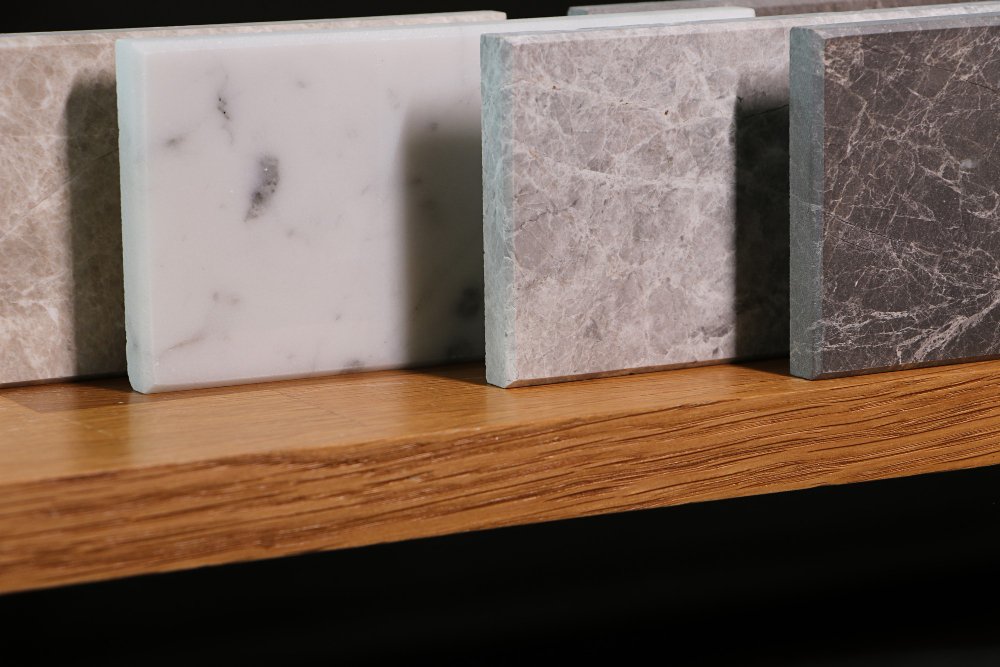
What Does a 3 cm Countertop Actually Mean?
The measurement refers to the thickness of the countertop slab itself. So, if you’ve been asking, “How Thick Is 3 cm?”, the answer is straightforward: it’s approximately 1.18 inches, or just a little over one inch thick. While that may not sound like a dramatic difference, those extra millimeters compared to a 2 cm slab can significantly change both the look and performance of your countertop. Today, many premium quartz and natural stone manufacturers offer their countertops in both thicknesses, allowing homeowners to choose the option that best suits their design goals and budget. Why does thickness matter so much? It influences several important aspects of your remodel, including:- Visual impact and edge profile.
- Structural strength for everyday use.
- Installation requirements.
- Material cost.
- Long-term durability.
“The best countertop isn’t always the thickest—it’s the one that fits your kitchen, your budget, and the way you live.”
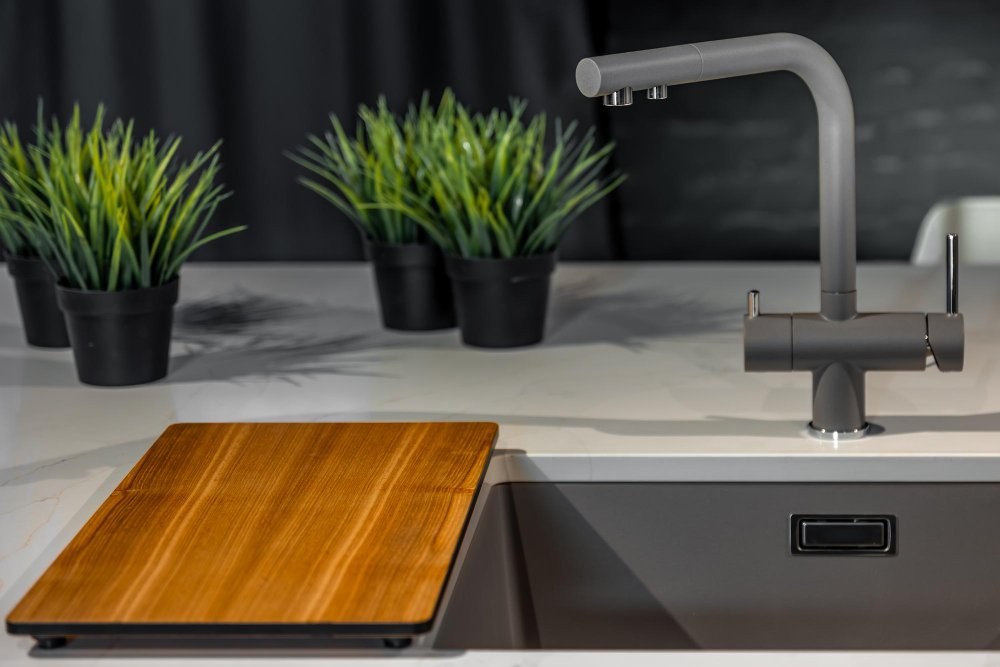
How Does 3 cm Compare to 2 cm Countertops?
This is where many homeowners begin weighing their options. At first glance, the difference between a 2 cm and 3 cm countertop seems fairly small. After all, it’s only one additional centimeter. But during installation and daily use, that extra thickness often becomes much more noticeable. A 3 cm countertop generally feels more substantial. The thicker edge creates a premium appearance that many homeowners associate with custom kitchens and luxury remodeling projects. Beyond aesthetics, thicker slabs typically require fewer structural modifications. In many installations, 3 cm quartz can be installed without the plywood support that’s often recommended beneath thinner 2 cm slabs. Fewer components can simplify installation while also creating cleaner edge details. Durability is another consideration. Although both thicknesses are engineered to withstand daily wear, a thicker slab generally provides additional rigidity, making it especially well suited for large kitchen islands, expansive workspaces, and busy family kitchens. That doesn’t automatically mean 2 cm is the wrong choice. In fact, thinner countertops remain an excellent option in many situations, particularly when:- Keeping remodeling costs lower is a priority.
- A lighter countertop reduces installation challenges.
- A modern, slimmer edge profile better matches the overall design.
- The project includes decorative edge build-ups that create the appearance of additional thickness.
Where Are 3 cm Countertops Most Common?
If you visit newly remodeled kitchens or high-end showrooms, you’ll quickly notice that 3 cm countertops appear almost everywhere. Their thicker profile complements today’s larger kitchen islands, open-concept layouts, and custom cabinetry. They are especially popular in kitchens where countertops serve multiple purposes. Instead of being used only for meal preparation, modern countertops often become gathering places for homework, entertaining guests, casual dining, and even remote work. Because of these changing lifestyles, many homeowners appreciate the added confidence that comes with a thicker slab. The combination of durability and visual presence makes it a natural fit for spaces that experience heavy daily use. You’ll also frequently find 3 cm slabs used for:- Large waterfall islands.
- Open-concept kitchens.
- Luxury custom homes.
- Busy family kitchens.
- High-end quartz installations.
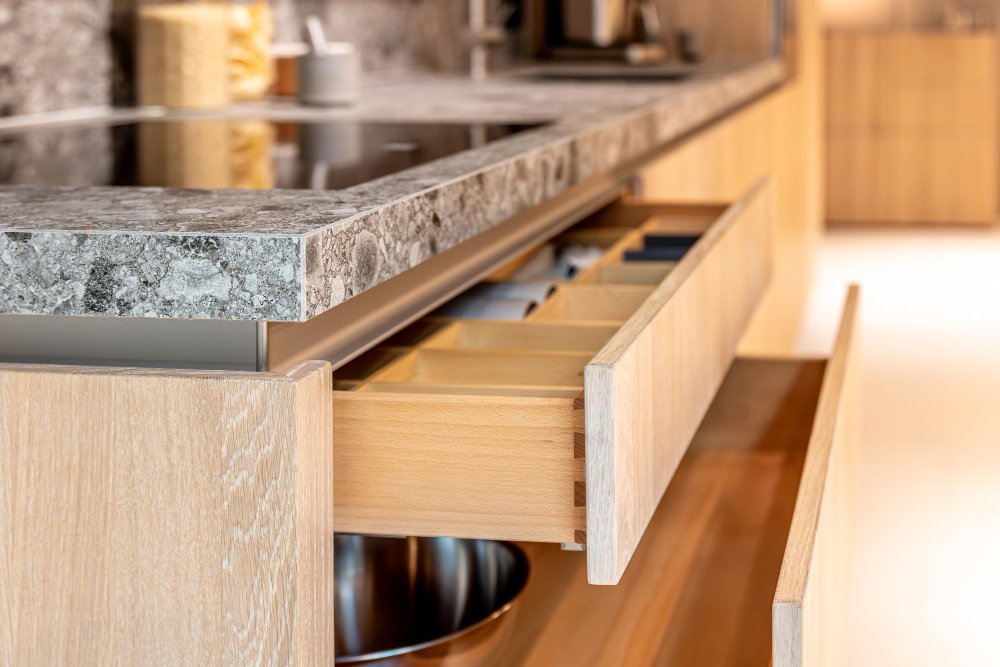
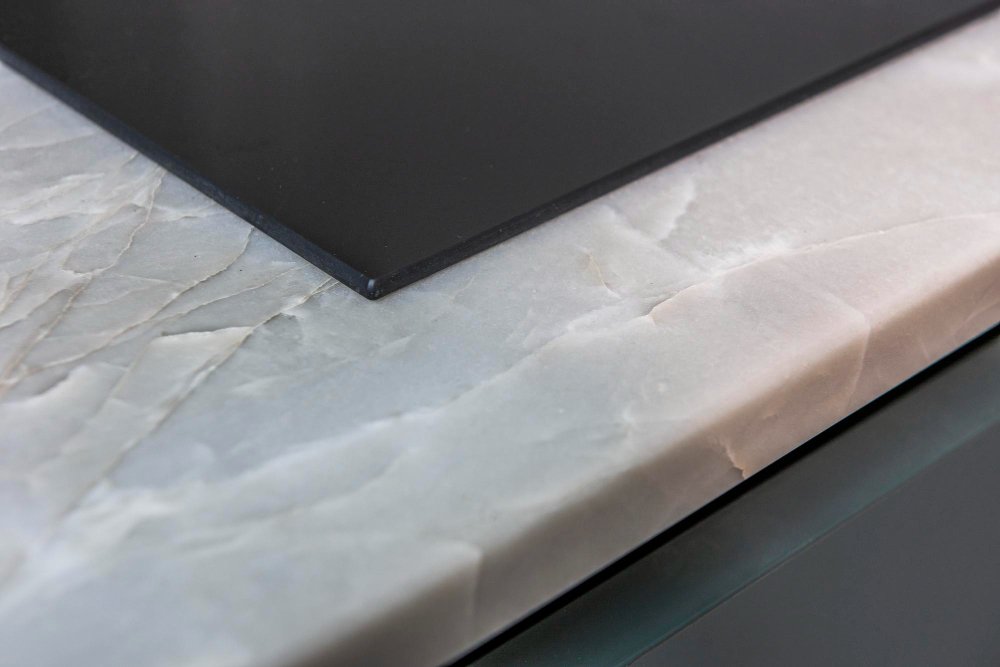
Are 3 cm Countertops Worth the Extra Cost?
This is one of the most common questions homeowners ask—and it’s a fair one. If you’re investing in a kitchen remodel, you want to know whether paying more for a thicker slab delivers real value or simply a different look. For many homeowners, the answer is yes. A 3 cm countertop offers several practical advantages beyond its premium appearance. Because the slab is thicker, it often provides greater rigidity, making it an excellent choice for kitchens that see constant activity. Here are some of the biggest benefits:- A more substantial appearance that enhances both traditional and contemporary kitchens.
- Excellent durability for everyday cooking, entertaining, and family life.
- Simplified installation in many projects since additional plywood support is often unnecessary.
- Better compatibility with large islands and extended countertop spans.
- Long-lasting value thanks to its timeless, high-end look.
Quick Tip
If you’re choosing quartz for a busy family kitchen, a 3 cm slab is often the sweet spot. It combines strength, a premium appearance, and, in many cases, a simpler installation because it typically doesn’t require additional plywood support.
Instead of focusing only on upfront cost, think about how your countertops will perform over the next ten or twenty years. A surface that fits your lifestyle today is more likely to continue meeting your needs well into the future.
Read More in Home Goods Central Blog
- A Story of Style, Stress, and the Granite Countertops That Fixed It All
 Every home design project has that one decision that shifts everything into place. For this kitchen remodel, it was granite countertops. Told in the elegant, narrative style of Candice Olson, this story captures the real-life stress of renovation—and the unexpected calm and cohesion that one perfect design choice delivered. If you’re remodeling, this is the inspiration you didn’t know you needed.
 - Cabinet Refacing: The Smart Kitchen Upgrade You’re Overlooking
 Think a kitchen makeover has to start with tearing out your cabinets? Think again. In this engaging, expert-backed guide inspired by Drew Scott, discover how cabinet refacing offers a faster, more affordable way to transform your space. From design flexibility to serious savings, see why refacing may be the smartest kitchen upgrade you haven’t considered—until now.
 - Modern or Classic? Finding Your Perfect Walk-In Shower Remodel Style
 When cracked siding made their dream home feel like a project, one Sacramento couple chose fiber cement. See how wide-panel installation brought modern durability and slashed energy costs – proving exteriors matter beyond looks
Choosing the Right Thickness for Your Home
So, how thick is 3 cm, and is it the right choice for your remodel? Now you know it’s just over an inch thick—but the real takeaway is that thickness influences much more than a measurement on a specification sheet. When comparing countertop options, ask yourself a few practical questions:- Will this countertop be used every day by a busy family?
- Do you want a bold, substantial edge profile?
- Are you installing a large kitchen island?
- Is long-term durability one of your top priorities?
- Does your remodeling budget allow for a premium upgrade?