Choosing the right shower for disabled personis about far more than convenience. An accessible shower can improve daily independence, reduce the risk of falls, and make bathing safer and more comfortable for people with limited mobility, seniors aging in place, and wheelchair users.
As the demand for accessible home remodeling continues to grow, homeowners are increasingly investing in bathrooms designed around Universal Design principles. These solutions benefit not only individuals with disabilities but also family members, caregivers, and anyone planning for long-term accessibility.
This guide examines the features that have the greatest impact on safety, compares common accessible shower options, and highlights practical considerations supported by industry recommendations and accessibility best practices.
Accessibility Features That Have the Greatest Impact
Not every accessibility feature provides the same level of benefit. While cosmetic upgrades can improve appearance, functional improvements directly affect safety, comfort, and ease of use.
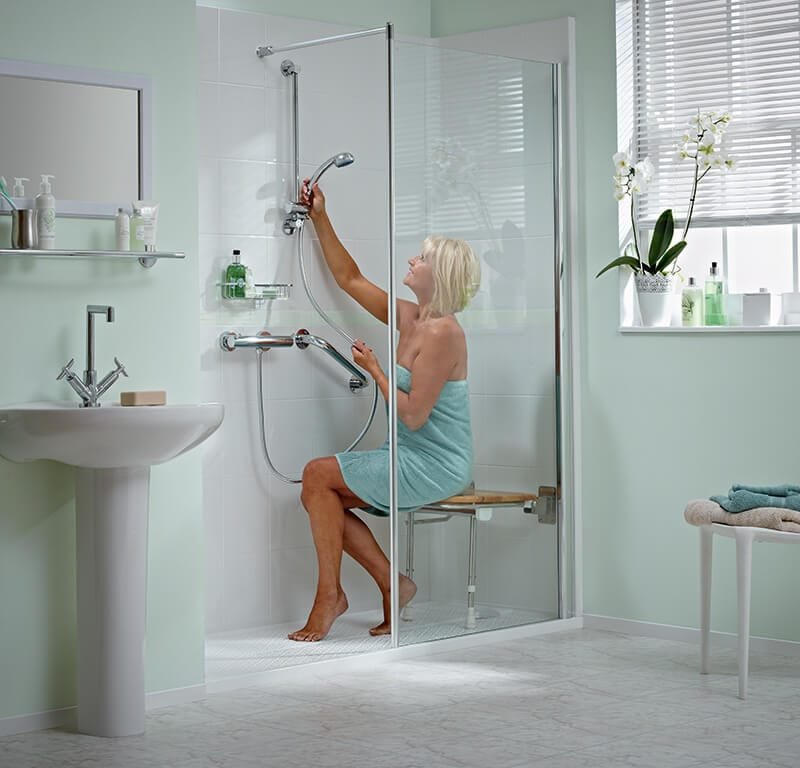
The following features consistently rank among the most valuable components of an accessible shower:
FACT
• Falls are one of the leading causes of injury among older adults, and bathrooms remain one of the highest-risk areas because of wet, slippery surfaces. Accessible shower features such as curbless entries, grab bars, seating, and slip-resistant flooring are widely recommended to improve bathroom safety.
Accessibility Feature
Primary Benefit
Best For
Curbless Entry
Eliminates step-over barriers
Wheelchair users and walkers
Grab Bars
Additional balance and support
All mobility levels
Fold-Down Bench
Allows seated bathing
Limited endurance or strength
Handheld Showerhead
Greater flexibility while seated or assisted
Independent users and caregivers
Slip-Resistant Flooring
Improves traction on wet surfaces
Every accessible bathroom
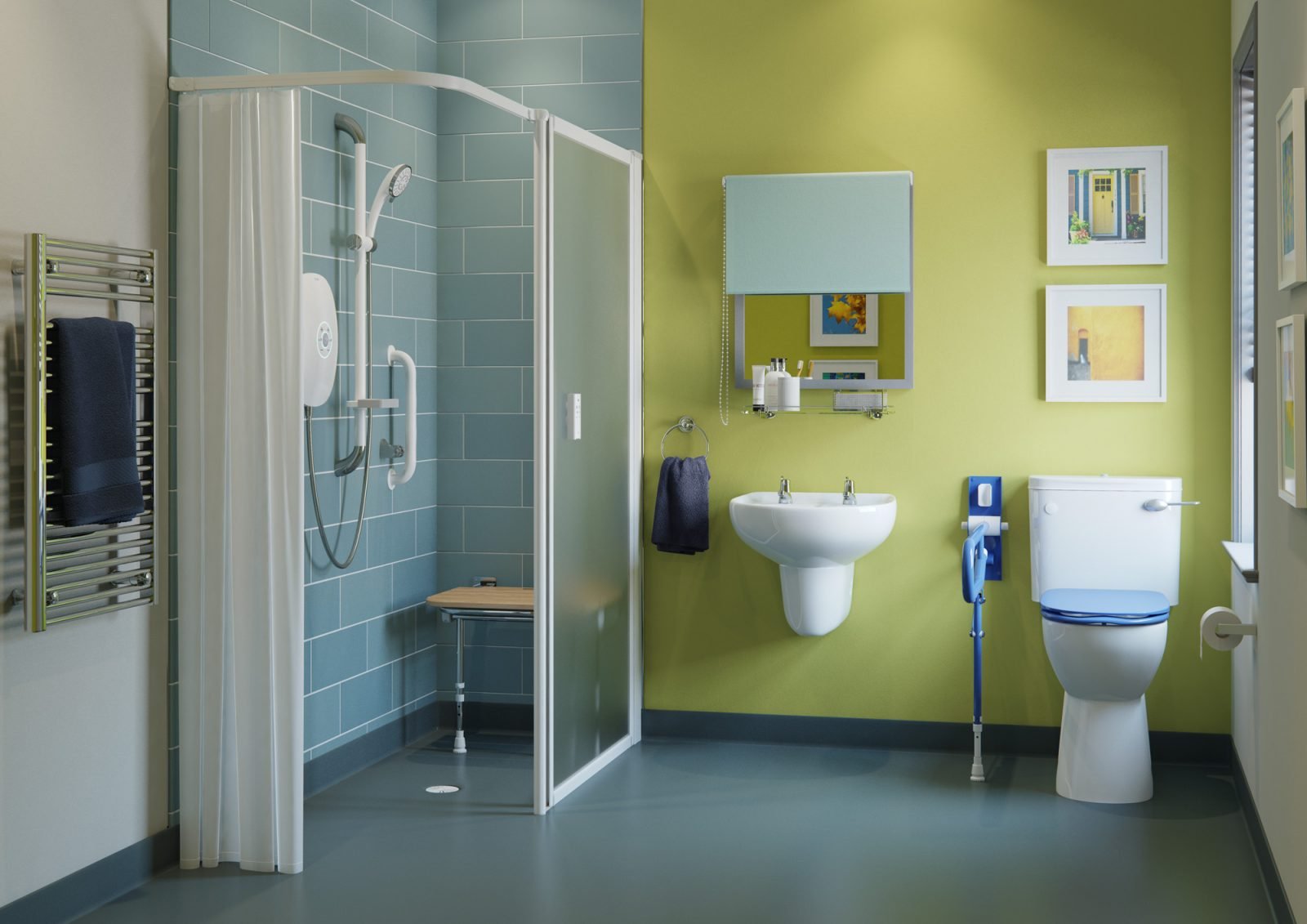
Although each feature provides value on its own, combining several accessibility elements typically creates a safer and more user-friendly shower environment.
For example, a curbless shower paired with properly positioned grab bars and a fold-down bench allows many users to move through their bathing routine with greater confidence while reducing physical strain.
Comparing Shower Types for Different Mobility Needs
Not every accessible shower is designed for the same level of mobility. Selecting the right configuration depends on the user’s physical abilities, current needs, and future accessibility goals.
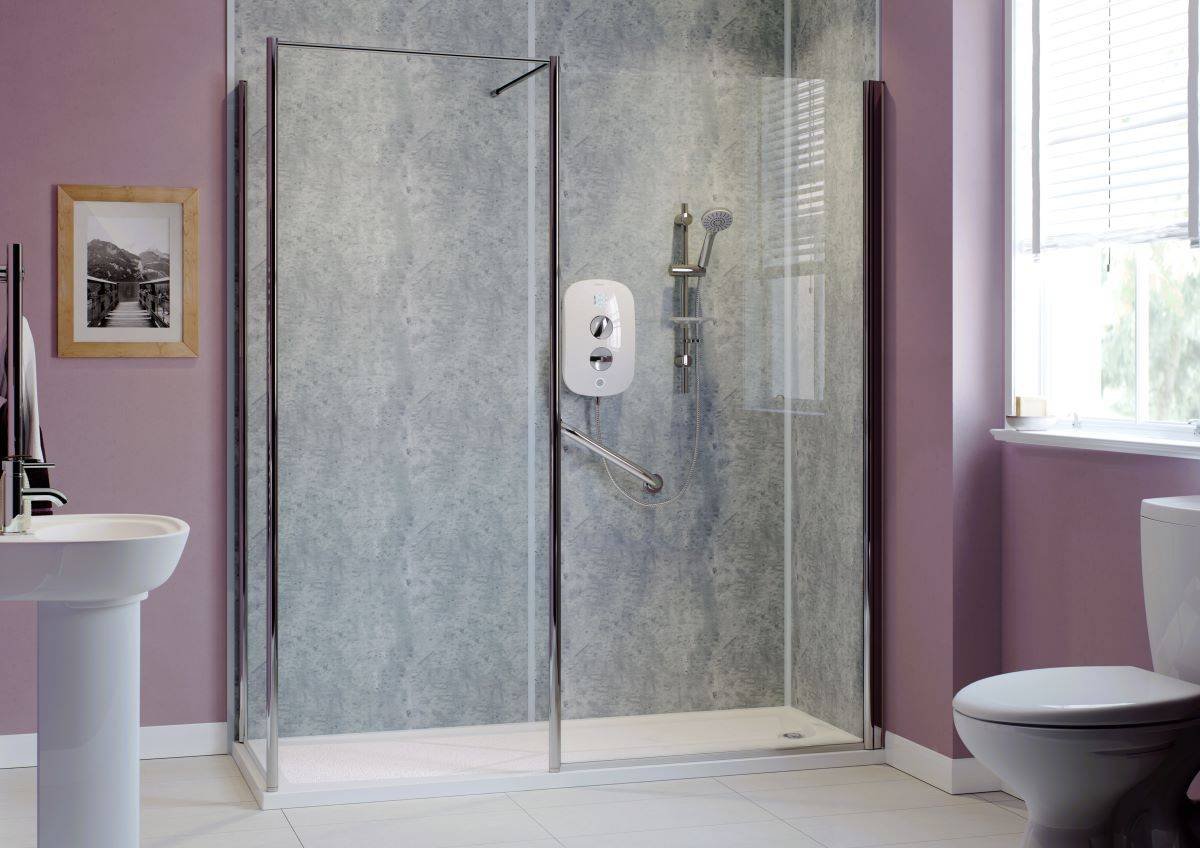
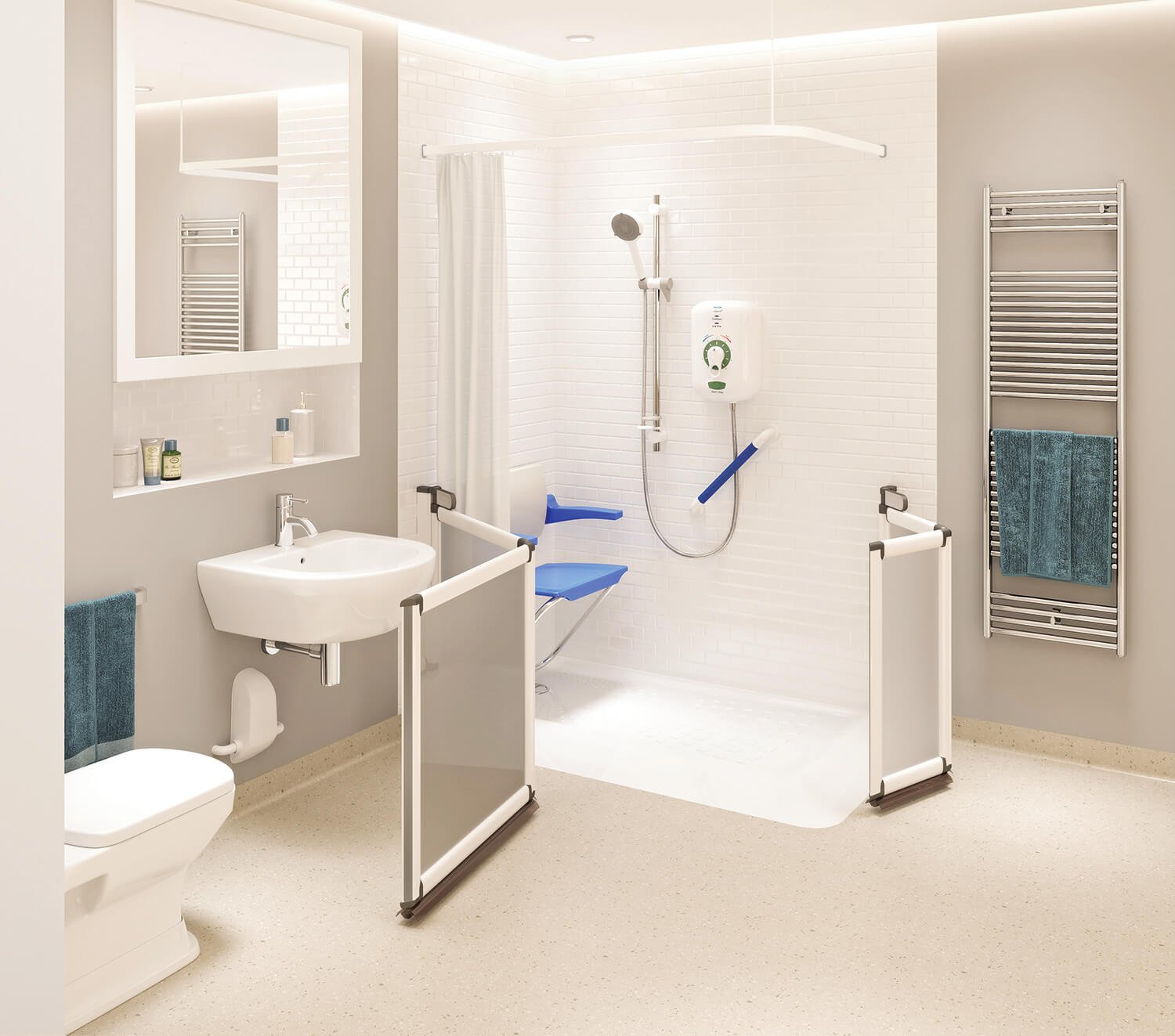
A fully curbless roll-in shower offers the highest level of accessibility because it allows wheelchair users to enter without crossing a threshold. Walk-in showers with a very low curb provide an excellent solution for many homeowners who have limited mobility but do not require wheelchair access.
Traditional tub-and-shower combinations generally present the greatest accessibility challenges because users must step over a high tub wall. For individuals with balance concerns or reduced strength, this entry can significantly increase the risk of slips and falls.
Accessibility planning should also account for long-term needs. Many homeowners remodeling today choose features that support aging in place, ensuring the bathroom remains functional as mobility changes over time.
Rather than focusing only on present circumstances, considering future accessibility often results in a more practical and cost-effective remodeling investment.
Shower Type
Accessibility
Maintenance
Typical Investment
Roll-In Shower
Excellent
Low
Higher
Walk-In Shower
Very Good
Low
Moderate
Tub/Shower Combination
Limited
Moderate
Lower
The comparison shows that while roll-in showers generally require a larger initial investment, they deliver the highest level of accessibility and future flexibility. Walk-in showers provide an excellent balance between accessibility and affordability, making them one of the most common choices for aging-in-place renovations.
Safety Features That Reduce Bathroom Accidents
An accessible shower is most effective when multiple safety features work together. Rather than relying on a single upgrade, combining several carefully planned elements creates a significantly safer bathing environment.
Industry guidance consistently recommends integrating support, stability, and ease of movement throughout the shower area.
User Need
Recommended Feature
Wheelchair Access
Curbless roll-in entry
Balance Assistance
Grab bars near the entrance and controls
Limited Standing Ability
Fold-down or built-in shower bench
Arthritis or Reduced Hand Strength
Lever controls and handheld showerhead
Aging in Place
Universal Design features throughout the shower
Beyond these features, proper lighting, clearly accessible controls, and enough turning space inside the shower all contribute to a safer daily routine. Every accessibility improvement should be planned around the specific needs of the individual using the space.
Statistical Summary
Statistical Summary
• Bathrooms remain one of the highest-risk areas in the home for slip-and-fall injuries because of wet surfaces.
• Curbless shower entries eliminate one of the most common tripping hazards during shower access.
• Grab bars significantly improve stability when securely installed in appropriate locations.
• Universal Design principles benefit people of all ages and mobility levels, not only individuals with disabilities.
• Planning accessibility features during a remodel is typically more practical than retrofitting them later.
Every home design project has that one decision that shifts everything into place. For this kitchen remodel, it was granite countertops. Told in the elegant, narrative style of Candice Olson, this story captures the real-life stress of renovation—and the unexpected calm and cohesion that one perfect design choice delivered. If you’re remodeling, this is the inspiration you didn’t know you needed.
Think a kitchen makeover has to start with tearing out your cabinets? Think again. In this engaging, expert-backed guide inspired by Drew Scott, discover how cabinet refacing offers a faster, more affordable way to transform your space. From design flexibility to serious savings, see why refacing may be the smartest kitchen upgrade you haven’t considered—until now.
When cracked siding made their dream home feel like a project, one Sacramento couple chose fiber cement. See how wide-panel installation brought modern durability and slashed energy costs – proving exteriors matter beyond looks
Planning an Accessible Shower for Long-Term Independence
Selecting the right shower for disabled person involves much more than meeting today’s accessibility needs. A thoughtfully designed shower should continue supporting independence, comfort, and safety as mobility requirements evolve over time.
Features such as curbless entries, strategically placed grab bars, slip-resistant flooring, comfortable seating, and handheld showerheads work together to create a bathroom that is both functional and welcoming. These improvements also benefit caregivers and other household members, making accessibility a smart investment for the entire home.
Whether you’re remodeling for yourself, a family member, or to support aging in place, designing with long-term usability in mind helps maximize both safety and value.

 Every home design project has that one decision that shifts everything into place. For this kitchen remodel, it was granite countertops. Told in the elegant, narrative style of Candice Olson, this story captures the real-life stress of renovation—and the unexpected calm and cohesion that one perfect design choice delivered. If you’re remodeling, this is the inspiration you didn’t know you needed.
 Think a kitchen makeover has to start with tearing out your cabinets? Think again. In this engaging, expert-backed guide inspired by Drew Scott, discover how cabinet refacing offers a faster, more affordable way to transform your space. From design flexibility to serious savings, see why refacing may be the smartest kitchen upgrade you haven’t considered—until now.
 When cracked siding made their dream home feel like a project, one Sacramento couple chose fiber cement. See how wide-panel installation brought modern durability and slashed energy costs – proving exteriors matter beyond looks