When planning a bathroom renovation, choosing the right material for your bathroom walls is one of the most important decisions you’ll make. Wall surfaces influence not only the room’s appearance but also its durability, maintenance requirements, installation time, and long-term value.
Two of the most popular options today are bathroom wall panelsand ceramic or porcelain tile. Both provide excellent moisture resistance when properly installed, but they differ significantly in cost, upkeep, design flexibility, and installation methods.
Rather than declaring one option universally better, it’s more helpful to compare their strengths and limitations. This guide takes an objective look at both materials so you can choose the solution that best matches your remodeling goals.
Option A: Bathroom Wall Panels
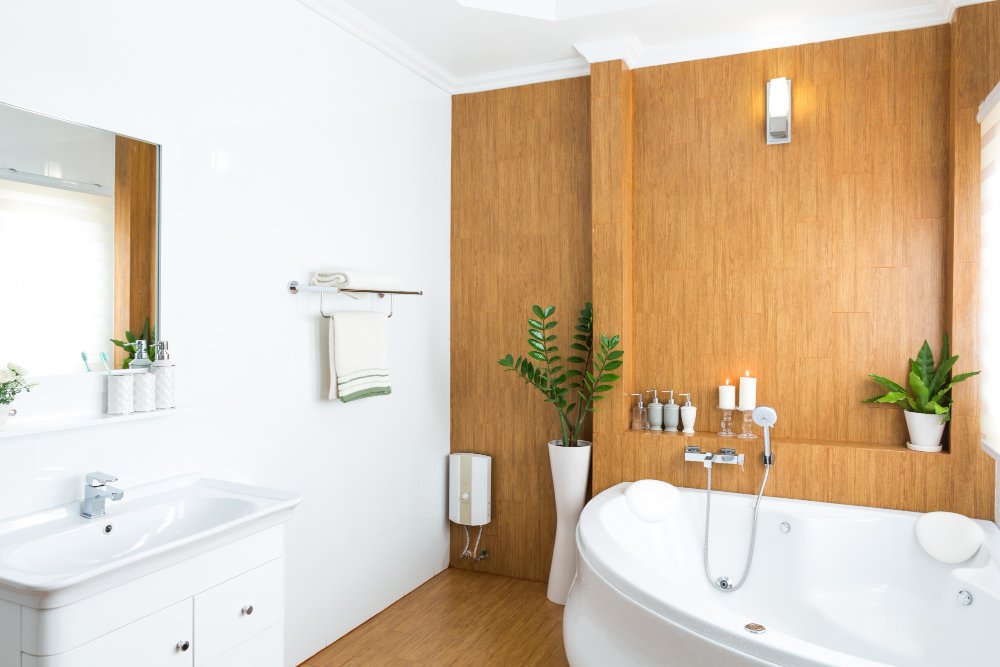
Bathroom wall panels have become increasingly popular because they offer a clean, modern appearance while simplifying installation and maintenance. Unlike traditional tile, large panels cover substantial wall areas with few or no grout lines, creating a sleek finish that’s easy to clean.
Modern wall panels are available in a variety of materials, including acrylic, PVC composites, laminate systems, and engineered stone. Many premium products even replicate the appearance of marble, concrete, or natural stone, allowing homeowners to achieve a high-end look with less maintenance.
One of the biggest advantages of wall panels is installation speed. Since large sections cover more surface area than individual tiles, projects can often be completed faster, reducing labor time and minimizing disruption during a bathroom remodel.
Pros & Cons of Bathroom Wall Panels
Pros
Fast installation compared to tile.
Minimal grout—or no grout at all—making cleaning easier.
Excellent resistance to moisture when installed correctly.
Smooth, contemporary appearance.
Available in a wide variety of colors and stone-inspired finishes.
Cons
Fewer custom layout possibilities than tile.
Some premium panel systems can be relatively expensive.
Replacing damaged sections may require changing a larger panel instead of a single piece.
Design options vary depending on the manufacturer.
For homeowners prioritizing convenience, reduced maintenance, and a streamlined installation process, wall panels offer a compelling solution.
Comparison Table: Key Differences
Feature
Bathroom Wall Panels
Ceramic & Porcelain Tile
Installation Speed
Fast
Slower
Maintenance
Low
Moderate
Grout Lines
Few or none
Required
Water Resistance
Excellent
Excellent when properly installed
Cleaning
Very easy
Requires grout maintenance
Option B: Ceramic & Porcelain Tile
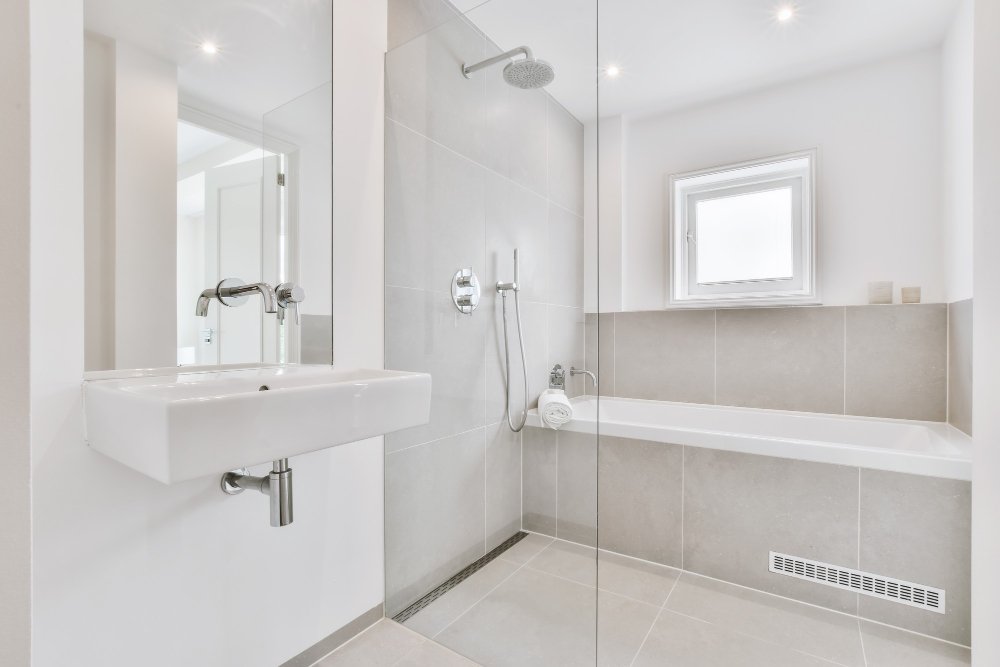
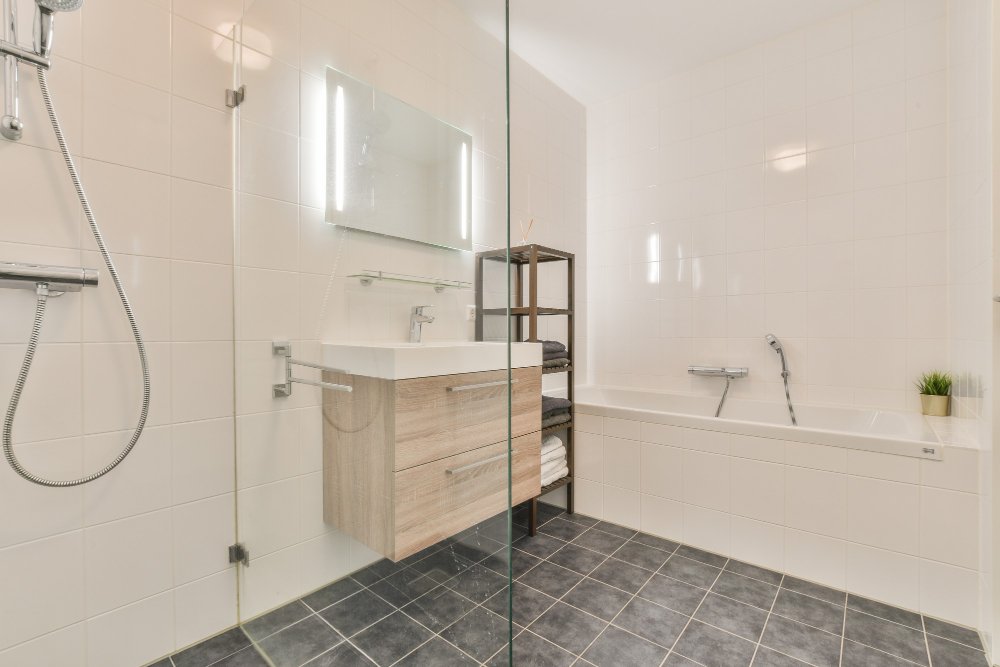
Ceramic and porcelain tile have been trusted materials forbathroom wallsfor decades. Their popularity comes from an unmatched combination of durability, design flexibility, and timeless appeal.
Unlike large-format panels, tile allows homeowners to create highly customized layouts. Whether you prefer classic subway tile, oversized porcelain slabs, geometric mosaics, or textured decorative accents, tile offers nearly endless creative possibilities.
Another advantage is repairability. If an individual tile becomes chipped or damaged, it’s often possible to replace only that section instead of removing an entire wall surface. This flexibility contributes to tile’s reputation as a long-term investment.
However, tile installation is generally more labor-intensive. Every piece must be carefully aligned, spaced, grouted, and sealed where necessary. The additional craftsmanship often results in longer project timelines, but it also allows for a truly customized finished appearance.
While installation requires more time and precision, many homeowners feel the design freedom and longevity make tile well worth the additional effort.
Pros & Cons of Ceramic & Porcelain Tile
Pros
Nearly unlimited colors, patterns, textures, and layouts.
Excellent durability for wet environments.
Individual damaged tiles can often be replaced.
Strong resale appeal thanks to its timeless reputation.
Suitable for both classic and contemporary bathrooms.
Cons
Installation is more time-consuming.
Grout lines require regular cleaning and occasional resealing.
Labor costs are typically higher.
Proper waterproofing is essential for long-term performance.
Side-by-Side Comparison
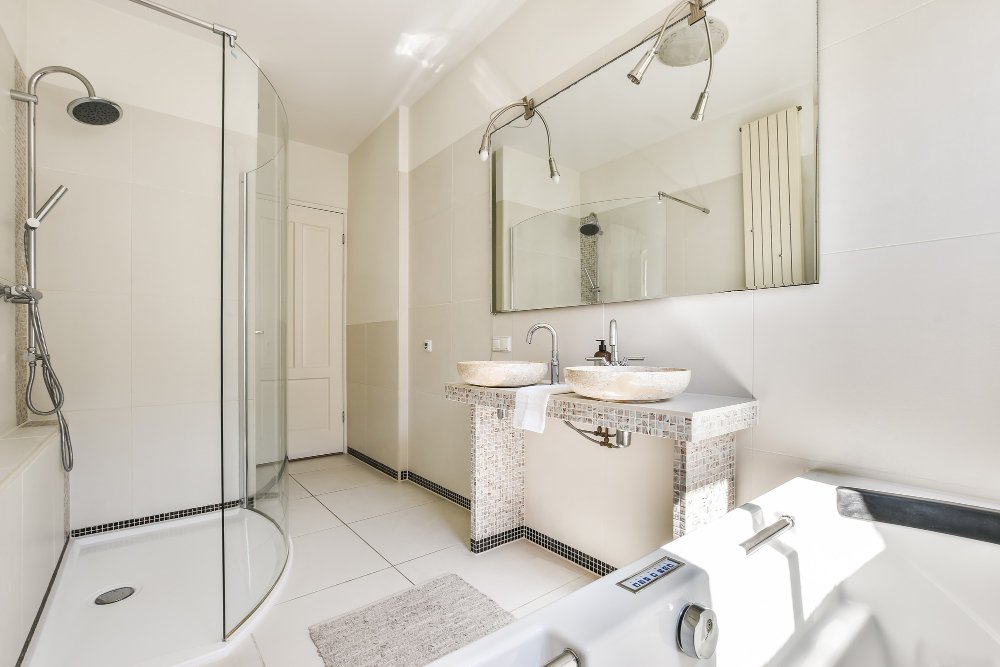
Both materials perform exceptionally well when professionally installed, but they excel in different areas. The best choice depends on what matters most to you—speed, maintenance, customization, or long-term design flexibility.
Every home design project has that one decision that shifts everything into place. For this kitchen remodel, it was granite countertops. Told in the elegant, narrative style of Candice Olson, this story captures the real-life stress of renovation—and the unexpected calm and cohesion that one perfect design choice delivered. If you’re remodeling, this is the inspiration you didn’t know you needed.
Think a kitchen makeover has to start with tearing out your cabinets? Think again. In this engaging, expert-backed guide inspired by Drew Scott, discover how cabinet refacing offers a faster, more affordable way to transform your space. From design flexibility to serious savings, see why refacing may be the smartest kitchen upgrade you haven’t considered—until now.
When cracked siding made their dream home feel like a project, one Sacramento couple chose fiber cement. See how wide-panel installation brought modern durability and slashed energy costs – proving exteriors matter beyond looks
Winner Highlights
🏆 Fastest Installation: Bathroom Wall Panels
🏆 Lowest Maintenance: Bathroom Wall Panels
🏆 Best Design Flexibility: Ceramic & Porcelain Tile
🏆 Best for Contemporary Bathrooms: Bathroom Wall Panels
🏆 Best for Custom Luxury Designs: Ceramic & Porcelain Tile
As these comparisons show, neither option is objectively superior. Each material delivers distinct advantages depending on the priorities of your remodeling project.
Choosing the Best Bathroom Wall Solution
If your goal is a fast renovation with minimal maintenance, bathroom wall panels are an excellent choice. Their seamless appearance, easy cleaning, and efficient installation make them especially appealing for busy households and homeowners seeking a modern aesthetic.
If personalization, intricate design, and long-term versatility are higher priorities, ceramic or porcelain tile remains one of the most reliable investments for bathroom walls. The nearly unlimited selection of colors, sizes, and patterns allows you to create a space that’s uniquely your own.
Ultimately, the right material depends on your lifestyle, maintenance preferences, design vision, and renovation budget. Evaluating each option objectively will help you create a bathroom that’s both beautiful and practical for years to come.

 Every home design project has that one decision that shifts everything into place. For this kitchen remodel, it was granite countertops. Told in the elegant, narrative style of Candice Olson, this story captures the real-life stress of renovation—and the unexpected calm and cohesion that one perfect design choice delivered. If you’re remodeling, this is the inspiration you didn’t know you needed.
 Think a kitchen makeover has to start with tearing out your cabinets? Think again. In this engaging, expert-backed guide inspired by Drew Scott, discover how cabinet refacing offers a faster, more affordable way to transform your space. From design flexibility to serious savings, see why refacing may be the smartest kitchen upgrade you haven’t considered—until now.
 When cracked siding made their dream home feel like a project, one Sacramento couple chose fiber cement. See how wide-panel installation brought modern durability and slashed energy costs – proving exteriors matter beyond looks