

Step 1: Inspect Your Existing Windows
Before shopping for new windows, take a close look at the ones you already have. Understanding their current condition will help you determine whether repairs are sufficient or if complete replacement is the better long-term investment. Many window problems develop gradually, making them easy to overlook. Drafts become more noticeable each winter, windows become slightly harder to open each year, and energy bills slowly increase without an obvious cause. Start your inspection by looking for these common warning signs:- Inspect each window frame for cracks, rot, warping, or visible damage.
- Open and close every window to check for smooth operation.
- Test locks, latches, and hardware to ensure proper function.
- Look for condensation or fogging between glass panes that may indicate a failed seal.
- Check interior walls and window sills for water stains or moisture damage.
Tip
Inspect your windows during windy or rainy weather whenever possible. Drafts, water intrusion, and air leaks are often much easier to identify under real weather conditions.
Don’t overlook comfort, either. Even if your windows appear structurally sound, persistent drafts, excessive outside noise, or rooms that never seem to maintain a consistent temperature often indicate that older windows are no longer performing efficiently.
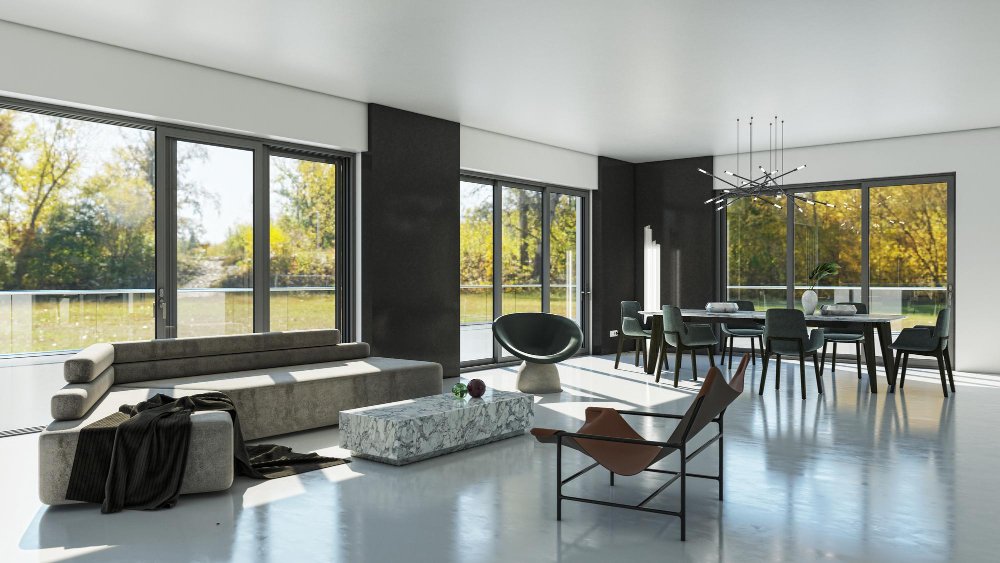
Step 2: Compare Replacement Window Options
Once you’ve confirmed that replacement is the right solution, the next step is selecting windows that fit both your home and your lifestyle. Frame material is one of the first decisions you’ll make because it influences durability, maintenance requirements, energy efficiency, and overall appearance. Vinyl windows remain one of the most popular choices because they offer excellent energy efficiency, require very little maintenance, and are available in a wide variety of colors and styles. Fiberglass windows provide exceptional strength and dimensional stability. They resist expansion and contraction caused by changing temperatures, making them an excellent choice in regions with significant seasonal weather changes. Wood windows continue to appeal to homeowners who appreciate traditional craftsmanship and natural beauty. While they typically require more maintenance than vinyl or fiberglass, they offer timeless character that complements many architectural styles. Aluminum-clad wood windows combine the warmth of real wood inside the home with a durable exterior designed to withstand moisture and changing weather conditions. Choosing the right operating style is equally important. Different rooms often benefit from different window designs depending on ventilation, available wall space, and desired views. Some of the most common replacement window styles include:- Double-hung windows for versatile ventilation.
- Casement windows that open outward for maximum airflow.
- Sliding windows for wide horizontal openings.
- Picture windows that maximize natural light and outdoor views.
- Bay and bow windows that create additional interior space and architectural interest.
- Awning windows that provide ventilation even during light rain.
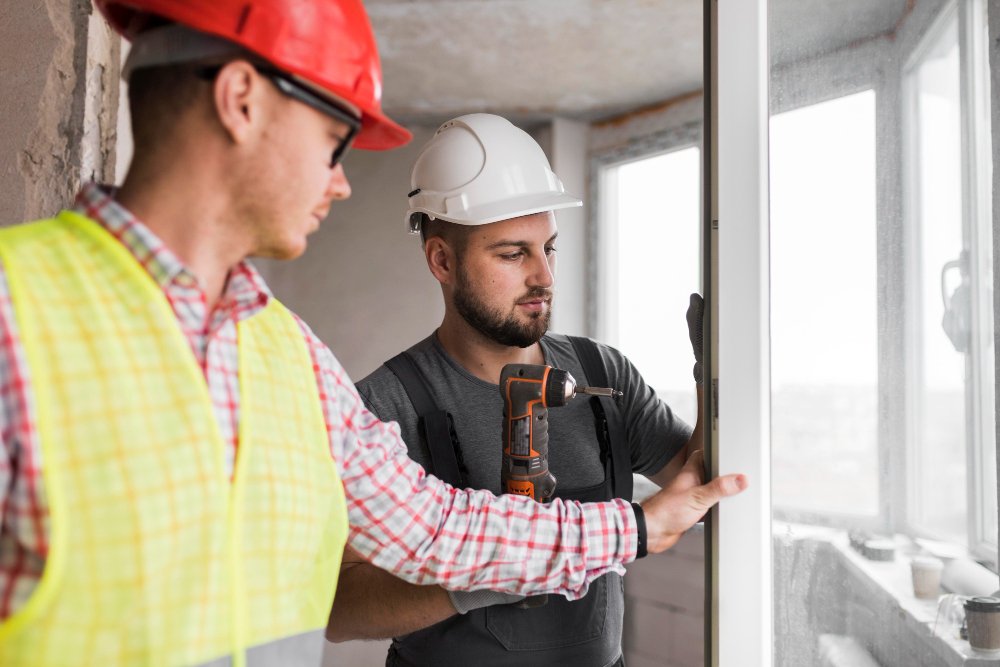
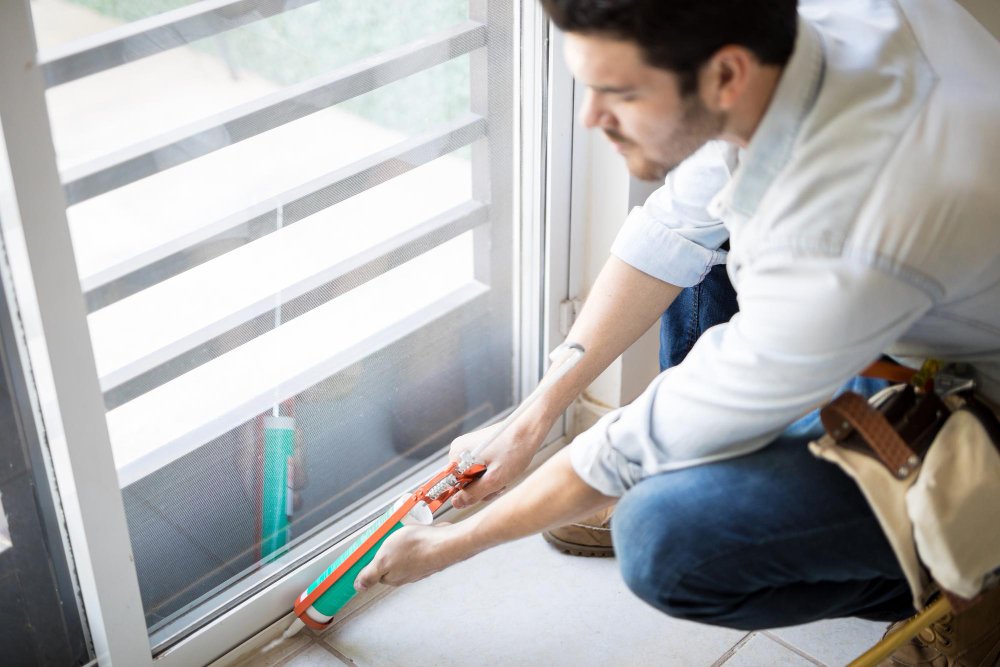
Step 2: Compare Replacement Window Options
Beyond selecting the frame material and operating style, it’s important to evaluate how each window is built. Features such as insulated glass, low-emissivity (Low-E) coatings, weatherstripping, and multiple panes all contribute to better energy performance and long-term comfort. As you compare products, use this simple checklist to narrow your options:- ✓ Choose a frame material suited to your local climate.
- ✓ Compare double-pane and triple-pane glass packages.
- ✓ Review maintenance requirements before making a decision.
- ✓ Select a window style that complements the room’s function.
- ✓ Check both manufacturer and installation warranties.
Warning
⚠ Do not order replacement windows using rough measurements alone. Professional measurements help prevent installation delays, air leaks, and expensive resizing or replacement.
Taking time to compare products carefully helps ensure your new windows provide lasting performance rather than simply a cosmetic upgrade.
Step 3: Prepare for Professional Installation
Once you’ve selected your new windows, proper preparation helps the installation proceed smoothly and efficiently. Although professional installers handle the technical work, homeowners can take several simple steps before installation day. Follow this preparation checklist:- Confirm all final window measurements and product specifications.
- Select hardware finishes, frame colors, and grille options.
- Discuss whether your project requires insert replacement windows or full-frame replacement.
- Remove curtains, blinds, and wall decorations near each window.
- Move furniture away from work areas and protect nearby flooring.
- Provide installers with clear access to both the interior and exterior of each opening.
- Complete a final walkthrough after installation to verify proper operation.
Read More in Home Goods Central Blog
- A Story of Style, Stress, and the Granite Countertops That Fixed It All
 Every home design project has that one decision that shifts everything into place. For this kitchen remodel, it was granite countertops. Told in the elegant, narrative style of Candice Olson, this story captures the real-life stress of renovation—and the unexpected calm and cohesion that one perfect design choice delivered. If you’re remodeling, this is the inspiration you didn’t know you needed.
 - Cabinet Refacing: The Smart Kitchen Upgrade You’re Overlooking
 Think a kitchen makeover has to start with tearing out your cabinets? Think again. In this engaging, expert-backed guide inspired by Drew Scott, discover how cabinet refacing offers a faster, more affordable way to transform your space. From design flexibility to serious savings, see why refacing may be the smartest kitchen upgrade you haven’t considered—until now.
 - Modern or Classic? Finding Your Perfect Walk-In Shower Remodel Style
 When cracked siding made their dream home feel like a project, one Sacramento couple chose fiber cement. See how wide-panel installation brought modern durability and slashed energy costs – proving exteriors matter beyond looks